
Pulling carbon
out of thin air.
A DES–MOF hybrid monolithic reactor engineered for scalable, energy-efficient atmospheric CO₂ removal.
From 280 ppm in the pre-industrial era to over 425 ppm today. The atmosphere is out of balance — and time.
The problem with today's existing DAC.
Current cost of removing one tonne of CO₂ via DAC.
Global CO₂ output, vs. tiny installed DAC capacity.
Heat penalty of today's amine sorbents.
The ultra-dilute needle DAC must find in a haystack (2025).
Three layers.
One airflow.
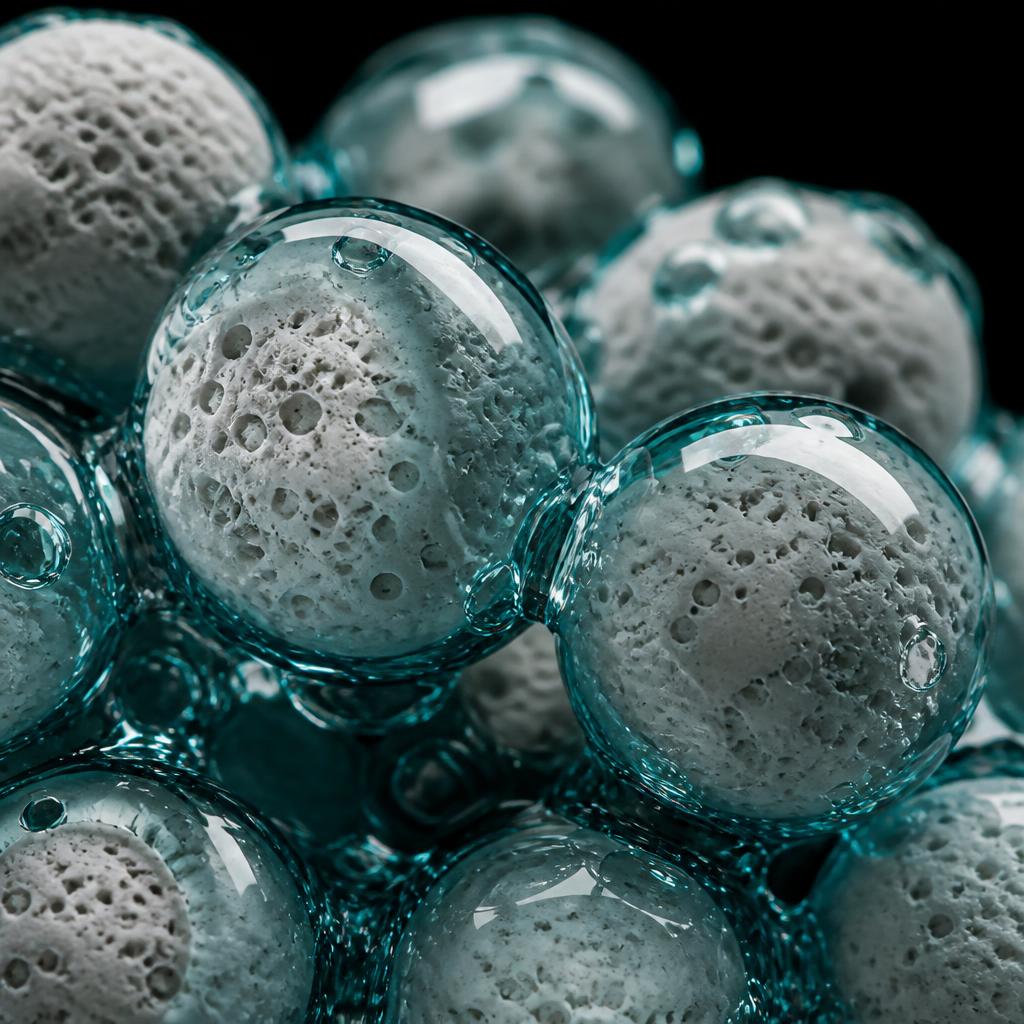
DES-Coated Molecular Sieve
Molecular sieve beads impregnated with a ChCl:MEA deep eutectic solvent. The CO₂-philic film grabs the first fraction of carbon from ultra-dilute air while keeping regeneration energy low.
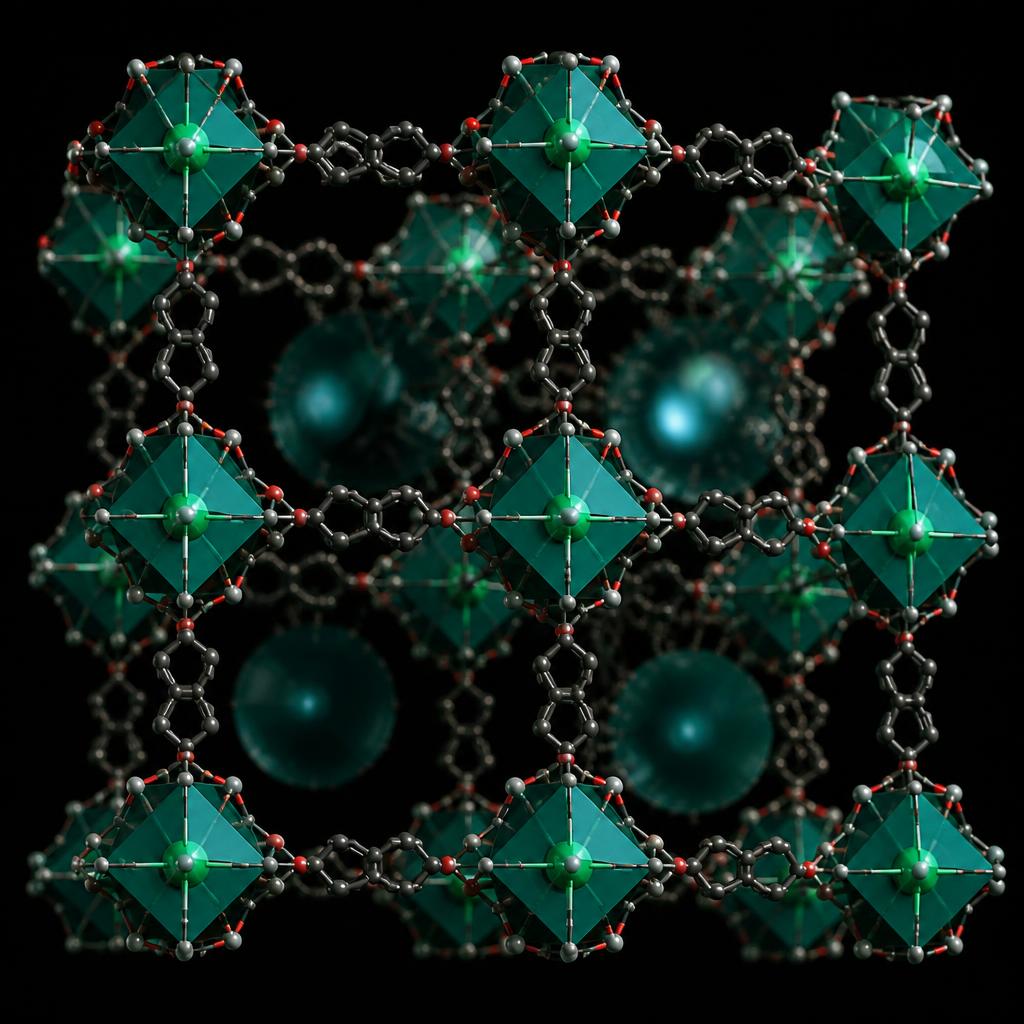
UiO-66 / PVA / PEI / MEA Honeycomb Monolith
A cordierite honeycomb coated with UiO-66 MOF bound in PVA and functionalised with PEI and MEA. Huge surface area plus amine chemistry, with under 100 Pa pressure drop across the channels.
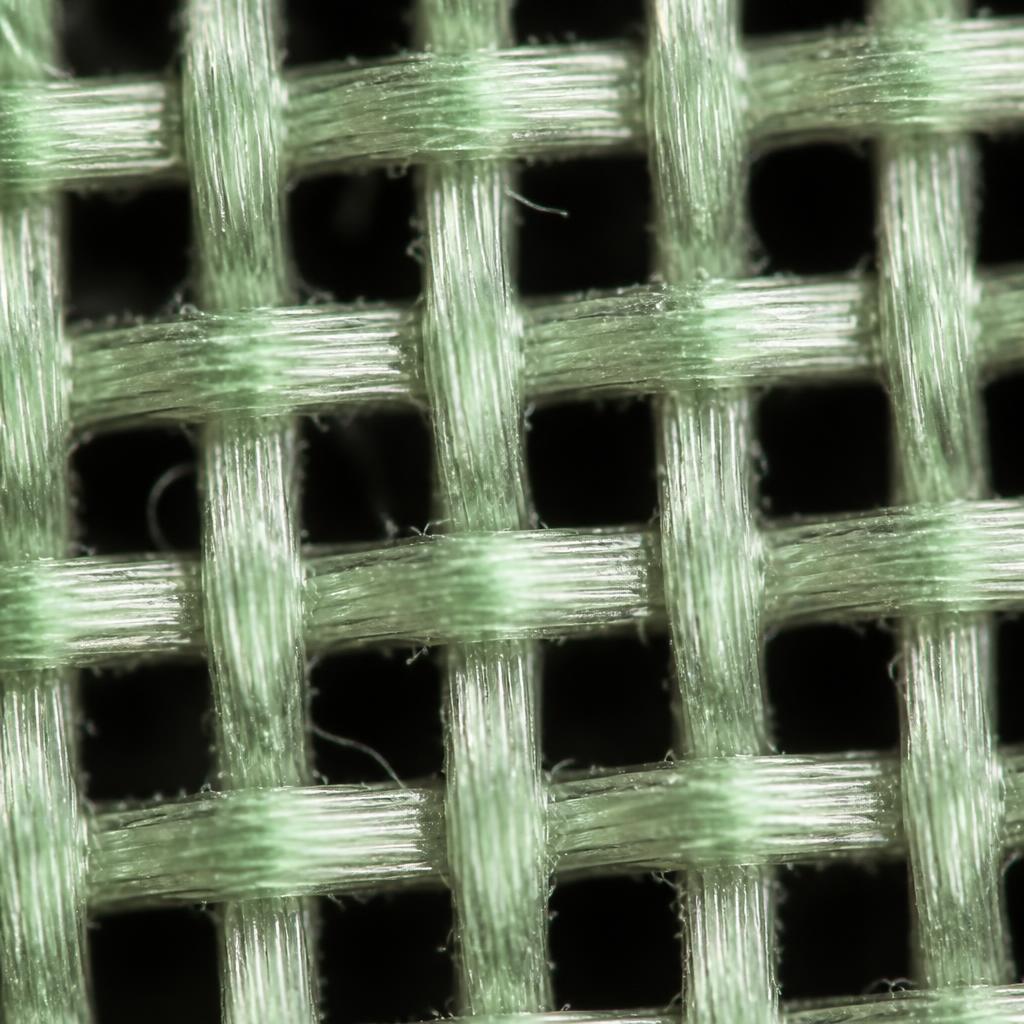
Amine-Functionalised Nylon Mesh
A woven nylon mesh grafted with amine groups sweeps up the CO₂ that slips past the monolith, forming carbamates and lifting overall removal in the final pass.
Air walks in. Carbon stays behind.
Existing DAC technologies vs. AEROCARBON.
Existing DAC technologies work — but they're thirsty for heat, heavy on pressure drop, and expensive per tonne. Here's how the three-layer DES–MOF stack compares.
Numbers that move the needle.
Removal at 400–1000 ppm DAC feed
Across the honeycomb monolith
Low-temperature desorption window
The dilute feed the reactor works against
How it breathes.
Intake
Ambient air enters the low-resistance honeycomb channels at scale.
Contact
The DES-coated sieve, UiO-66 monolith and amine mesh grab CO₂ in three passes.
Capture
Physisorption and chemisorption work together — dual mechanism.
Release
Gentle heat (80–100 °C) regenerates the sorbent, releasing pure CO₂.
Milestones along the carbon curve.
Scroll to walk the project timeline. Each milestone unlocks as it enters view.
Concept & literature deep-dive
Framed the DES–MOF hybrid thesis.
Reviewed 120+ papers on existing DAC technologies, DES chemistry, and UiO-66 synthesis. Locked ChCl:MEA as the reference eutectic and framed the three-layer adsorption stack.
UiO-66 crystals grown in-lab
First gram-scale MOF batch.
Solvothermal synthesis at 120 °C yielded UiO-66 with BET surface area >1200 m²/g. XRD and SEM confirmed crystallinity and defect-engineered porosity.
Development of different adsorbent
Three layers, three chemistries.
Built and screened each adsorbent separately: DES-coated molecular sieve, UiO-66/PVA/PEI/MEA honeycomb monolith, and amine-functionalised nylon mesh — then stacked them in series.
Real DAC bench trials
400–1000 ppm air, real numbers.
Fixed-bed rig at 25 °C / 60% RH on real ambient-level air. Runs show <100 Pa pressure drop and 70–75% CO₂ removal across the three-layer stack.
Powering India's Net-Zero mission — and cooling a planet in fever.
The greenhouse effect has trapped over a century of industrial CO₂ in our sky. AEROCARBON is a Surat-born answer — a compact, low-energy DAC platform designed to help India honour its climate pledges while inhaling carbon from the air.
India's commitment at COP26 to reach net-zero emissions by 2070. AEROCARBON directly attacks the residual, hard-to-abate fraction that renewables alone cannot solve.
Aligned with India's NDC target — DAC monoliths deployable at industrial hubs (Hazira, Dahej, Jamnagar) to offset legacy stack emissions.
Solar-thermal regeneration of our DES–MOF sorbent pairs cleanly with India's expanding renewable grid — low-heat, low-cost, sun-powered CO₂ recovery.
Every extra ppm of CO₂ traps more infrared heat near Earth's surface. India — with 1.4 billion people, monsoon-dependent agriculture and rising coastal cities — sits on the frontline. Removing carbon isn't optional. It's national infrastructure.
Backed by leaders.
Trusted by the nation.
Iterated the reactor across different feed conditions and use-cases before arriving at the current stack.
Professor, SVNIT — independent research review confirming the DES–MOF hybrid stack, adsorption mechanism, and bench-trial methodology.

Built by Marmik
Kartik Sapariya.
Young Indian innovator from Surat, engineering a hybrid DES–MOF monolithic reactor to pull CO₂ out of the atmosphere. AEROCARBON is his answer to India's Net Zero 2070 pledge — a single-handed research project turning deep chemistry into a scalable climate tool.